Menopause Supplements for Joint Pain: 2026 Buying Guide
Joint pain that shows up out of nowhere in your 40s or 50s isn't in your head, and it isn't just "getting older" — it's often tied to the same hormonal shift driving your hot flushes and mood swings. This guide breaks down which menopause supplements for joint pain actually have evidence behind them, and which ones are just expensive vitamins in a nicer bottle.
- Magnesium and curcumin have the strongest general evidence for menopausal joint stiffness — start there.
- Bluum Menopause Support (ZAR 350) covers foundational vitamins and minerals for menopause but isn't a dedicated joint formula — pair it if joint pain is your main complaint.
- Collagen peptides show early, modest results in small trials — Consider, don't expect fast results.
- Skip single-ingredient 'miracle' capsules that skip magnesium and vitamin D basics entirely.
Why this matters
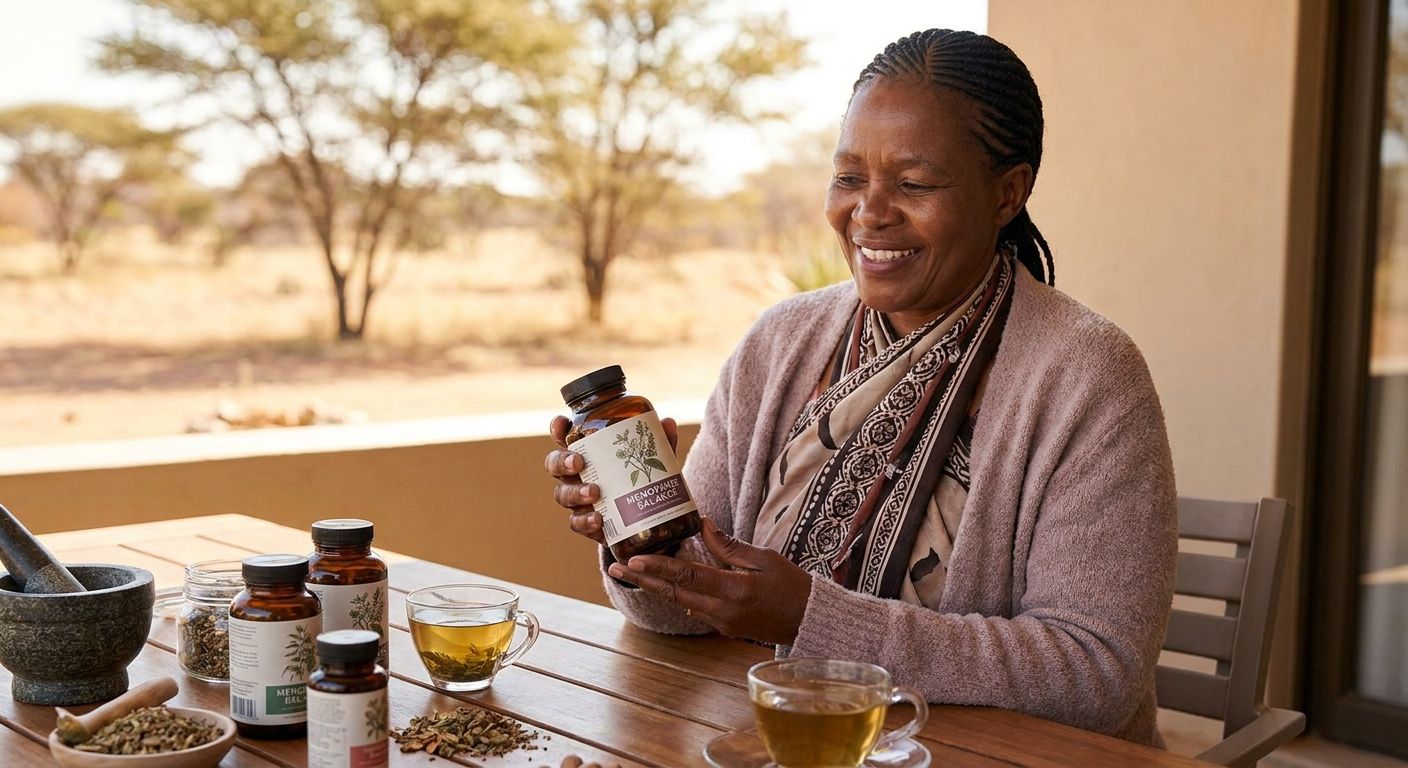
Oestrogen does more than regulate your cycle — it also helps manage inflammation and keeps joint tissue lubricated. As oestrogen drops through perimenopause and into menopause, a lot of South African women notice their knees, hands, and hips start aching in ways they never did before, often around the same time as hot flushes and mood dips show up. It's a real, physiological symptom, not a coincidence, and it's one of the less talked-about parts of the menopause conversation on Bluum.
The good news: joint pain during menopause responds reasonably well to targeted nutrition, and you don't need a prescription to start addressing it in 2026.
Who this guide is for
This is for women in perimenopause or menopause — typically somewhere between their mid-40s and mid-50s — who've noticed new or worsening joint stiffness, achy hands in the morning, or knees that complain more than they used to. If you're already managing hot flushes or mood swings and joint pain has joined the list, this guide picks up where a general menopause supplement leaves off.
What to look for in menopause supplements for joint pain
Magnesium
Magnesium plays a role in muscle and nerve function, and low levels are linked to increased cramping and joint stiffness, especially at night. Most adult women need around 320mg a day from food and supplements combined, and menopause increases the case for topping it up rather than relying on diet alone.
Curcumin (turmeric extract)
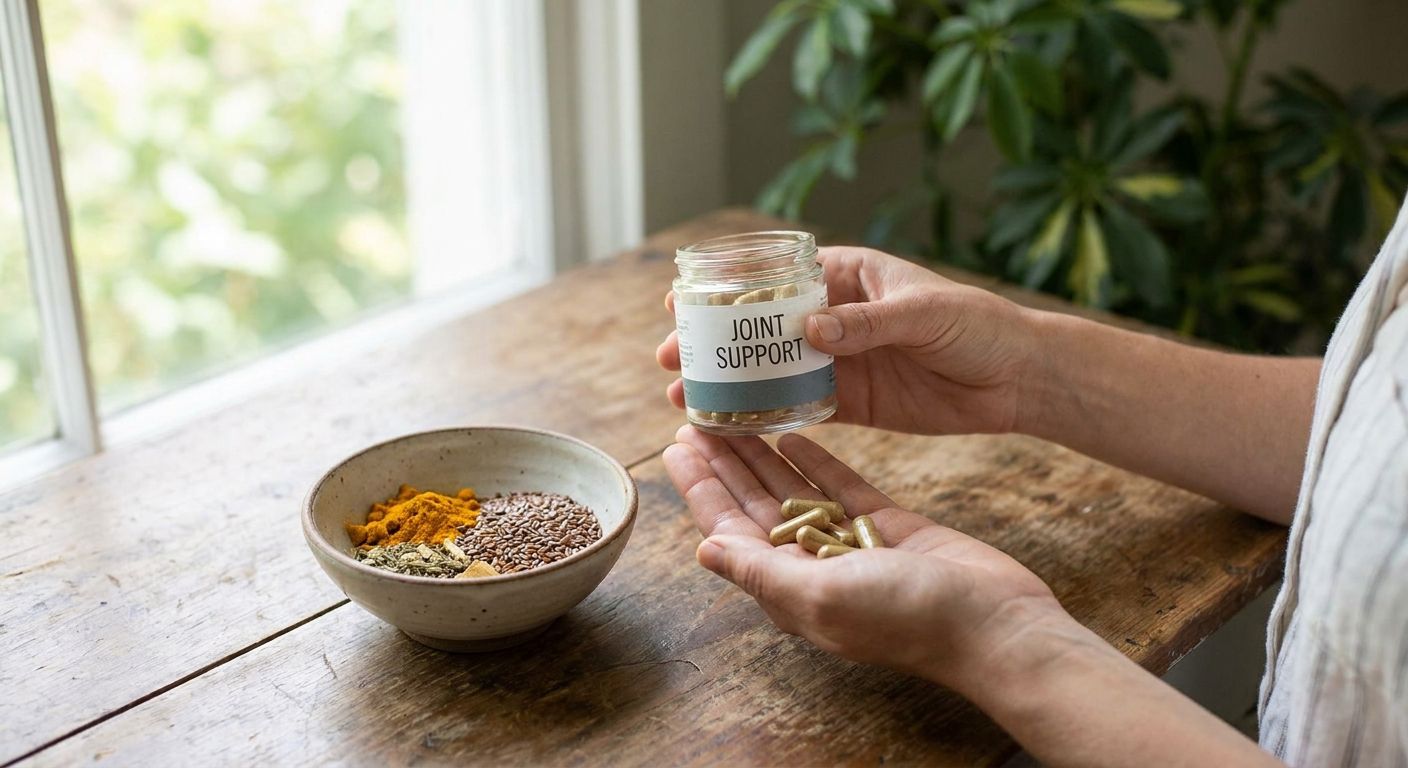
Curcumin is the anti-inflammatory compound in turmeric, and it's one of the more studied natural ingredients for joint stiffness. It's poorly absorbed on its own, so look for a formula paired with black pepper extract (piperine) — most studied doses sit around 500mg to 1,000mg daily.
Omega-3 fatty acids
Omega-3s from fish oil or algae are linked to lower inflammatory markers, which matters when joint pain is inflammation-driven rather than mechanical wear. A daily dose around 1,000mg is the common starting point in most consumer formulas.
Vitamin D and calcium
Vitamin D and calcium won't fix joint pain directly, but declining oestrogen also accelerates bone density loss, and weak bone health compounds joint discomfort over time. Most adult women need 600 to 800 IU of vitamin D daily, more if you're not getting regular sun exposure.
Collagen peptides
Collagen is the structural protein in cartilage, and some smaller human trials link collagen peptide supplementation to reduced joint stiffness over several weeks. The evidence is real but early — treat this as a slower-acting addition, not a quick fix.
Full-spectrum menopause coverage
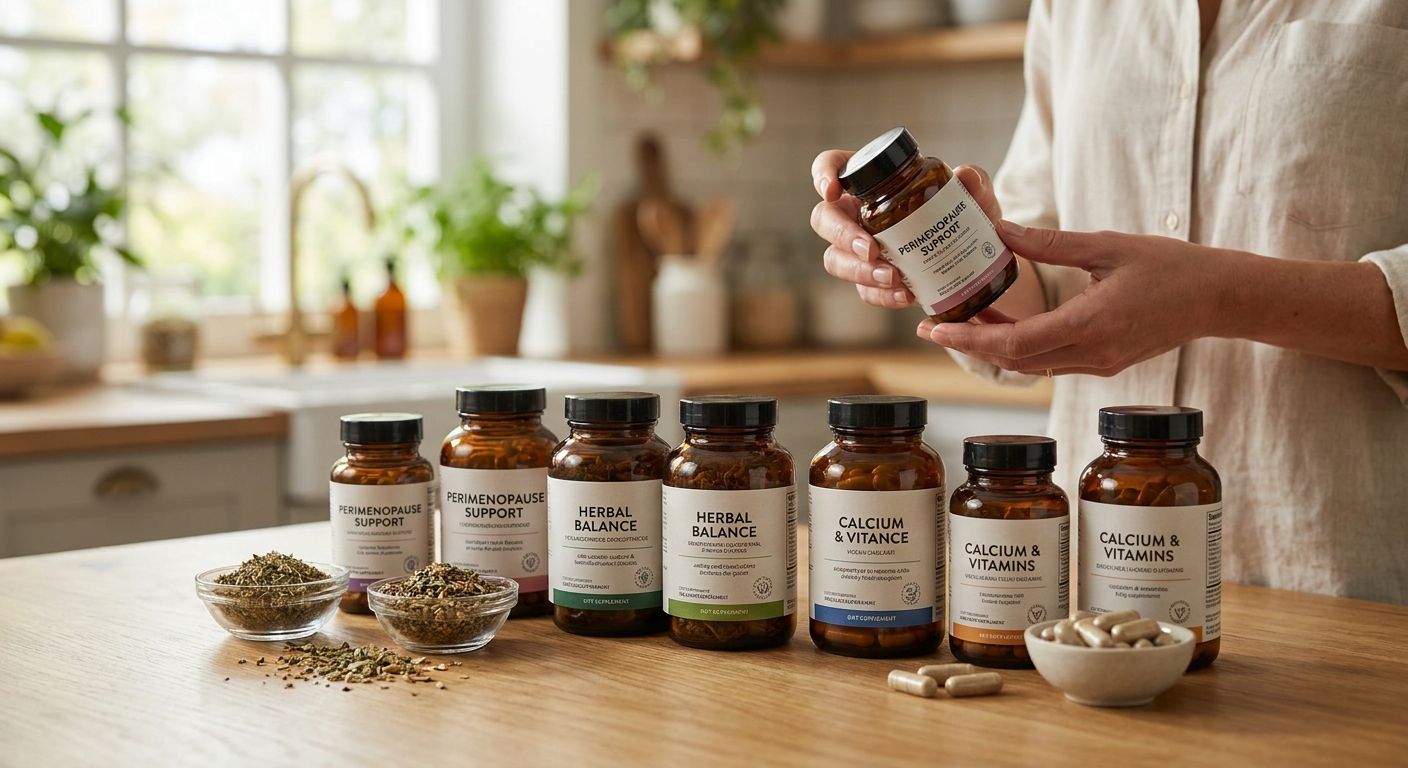
Joint pain rarely travels alone during menopause — it tends to show up alongside hot flushes, disrupted sleep, and mood changes. A daily formula that covers the broader hormonal picture, like Menopause Support, gives you a foundation to build joint-specific ingredients on top of.
Top picks for menopause joint pain
1. Bluum Menopause Support — the foundational pick. At ZAR 350, this is a daily all-in-one built around the vitamins and minerals typically required during the menopause transition, and it's designed to ease hot flashes, night sweats and mood swings alongside general support. It won't replace a dedicated joint ingredient, but it's a sensible base layer if you're managing several symptoms at once, joint pain included. Verdict: Buy as your foundation, then layer in magnesium or curcumin if joints are your main issue.
2. Curcumin with piperine — the anti-inflammatory add-on. Look for a formula standardising curcumin extract at 500mg or higher, combined with black pepper extract for absorption. This is the pick for morning stiffness specifically. Verdict: Consider if stiffness is worse first thing in the day.
3. Magnesium glycinate — the night-time mineral. Magnesium glycinate is gentler on digestion than magnesium oxide and is commonly used for nighttime cramping and restlessness. It doubles up as a sleep-support ingredient, which matters since poor sleep makes pain perception worse. Verdict: Consider, especially if joint pain flares at night.
4. Vitamin D3 plus calcium — the bone-adjacent pick. This combination targets the bone density side of the equation rather than joint tissue directly, but weaker bones make every joint ache feel worse. Verdict: Consider, particularly if you get limited sun exposure.
5. Collagen peptides — the slow burn. Early trial data is promising but modest, and results typically take 8 to 12 weeks to show up if they show up at all. This is the pick for patience, not instant relief. Verdict: Wait unless you're comfortable committing to a few months before judging results.


“A menopause supplement that skips magnesium and vitamin D isn't covering the basics, no matter what else is on the label.”
What to avoid
- Single-ingredient "miracle" capsules that promise fast joint relief but skip magnesium and vitamin D entirely — they're addressing one narrow mechanism while ignoring the broader hormonal picture.
- Curcumin without piperine — without the absorption booster, most of the curcumin passes through unused, so you're paying for very little.
- Generic multivitamins not built for menopause — they often underdose the specific nutrients (magnesium, vitamin D, B vitamins) that matter most during this transition.
Verdict comparison
| Pick | Best for | Key ingredient | Verdict |
|---|---|---|---|
| Bluum Menopause Support (ZAR 350) | Overall menopause symptom coverage | Vitamins & minerals for menopause | Buy |
| Curcumin + piperine complex | Morning joint stiffness | Curcumin (500mg+) | Consider |
| Magnesium glycinate | Night-time joint aches | Magnesium | Consider |
| Vitamin D3 + calcium | Bone-adjacent joint support | Vitamin D3 | Consider |
| Collagen peptides | Cartilage support over time | Collagen (Type I/II) | Wait |
FAQ
What's the best menopause supplement for joint pain in 2026?
There isn't one single best option — magnesium and curcumin with piperine have the strongest general evidence for joint stiffness, while a foundational formula like Bluum Menopause Support covers the broader vitamin and mineral picture. Combining a foundational supplement with a joint-specific ingredient works better than relying on either alone.
Can menopause actually cause joint pain?
Yes — declining oestrogen affects inflammation levels and joint lubrication, which is why joint aches often appear or worsen during perimenopause and menopause. It commonly shows up alongside hot flushes and mood changes rather than as an isolated symptom.
Is magnesium good for menopause joint pain?
Magnesium supports muscle and nerve function, and low levels are linked to increased cramping and stiffness, particularly at night. Most adult women need around 320mg daily, and magnesium glycinate is a gentler option for those with sensitive digestion.
How long does it take for joint pain supplements to work?
Curcumin and magnesium can show noticeable effects within 2 to 4 weeks, while collagen peptides typically take 8 to 12 weeks to show measurable change. Give any new supplement at least a full month before judging whether it's working.
Does Bluum Menopause Support help with joint pain specifically?
Bluum Menopause Support is formulated around the vitamins and minerals needed during menopause and eases hot flashes, night sweats and mood swings, but it's not a dedicated joint formula. If joint pain is your primary concern, pair it with a targeted ingredient like magnesium or curcumin.
Is turmeric or curcumin better for menopause joint stiffness?
Curcumin is the specific compound in turmeric responsible for its anti-inflammatory effect, so a curcumin extract standardised with piperine delivers more active ingredient than raw turmeric powder. Look for extracts rather than whole-spice capsules for meaningful dosing.
Should I take collagen for menopause joint pain?
Collagen peptides can help, but the evidence is early and effects build slowly over 8 to 12 weeks rather than delivering fast relief. It's a reasonable long-term addition once you've addressed magnesium and vitamin D basics.
How much vitamin D do menopausal women need for joint health?
Most adult women need 600 to 800 IU of vitamin D daily, and more if sun exposure is limited. Vitamin D supports bone density, which indirectly affects how joints feel as oestrogen declines.
One last thing
Joint pain during menopause is one of the most under-discussed symptoms, largely because it doesn't get grouped with the "classic" list of hot flushes and night sweats — but it's just as tied to the same hormonal shift. Start with the basics (magnesium, vitamin D) before reaching for anything more exotic, and give whatever you choose a full month before deciding it isn't working.