How to Choose a Menopause Supplement That Works (2026)
Choosing a menopause supplement shouldn't feel like guesswork — this guide walks you through the exact process, step by step, so you land on ingredients that actually match your symptoms instead of whatever has the flashiest packaging.
- Match ingredients to your top three symptoms before you buy — not the other way round.
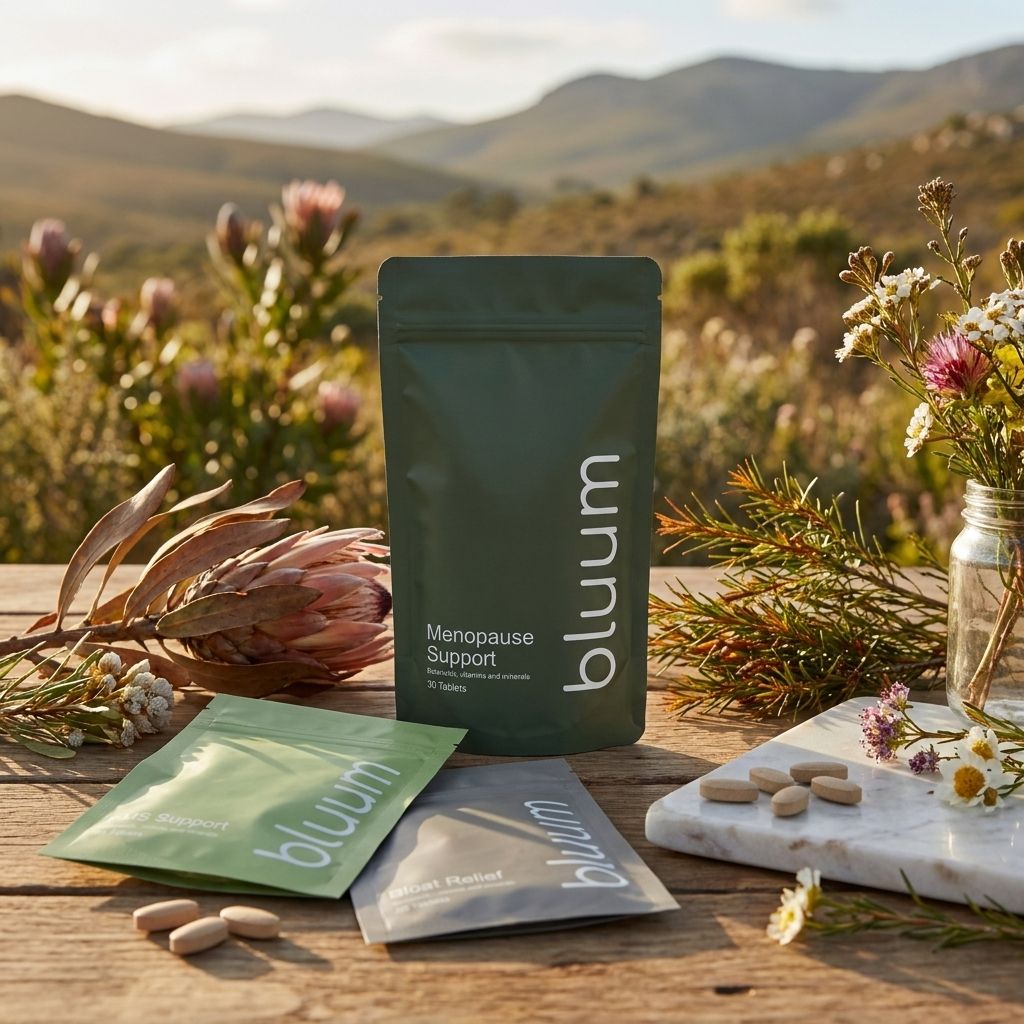
- Menopause Support (ZAR 350) is a solid all-in-one starting point for hot flushes, night sweats and mood swings in 2026.
- Give one product 6-8 weeks of consistent daily use before judging it — herbal ingredients build up slowly.
- Bloating alongside menopause symptoms usually needs a separate, targeted product, not a bigger dose of the same one.
- Track symptoms for two weeks first — it's the single best predictor of which formula will actually help you.
Why this matters
South African women are flooded with options the moment they search for menopause relief — capsules, tablets, teas, gummies, all promising the same vague "balance." Most of that noise doesn't tell you which ingredient does what, or whether it's dosed high enough to matter.
A supplement like Menopause Support works because it's built around ingredients with a job to do — not a marketing story. Knowing how to choose a menopause supplement means learning to read past the label and ask what each ingredient is actually there for.
Getting this wrong costs you money and, worse, months of feeling like nothing works when the real issue was a mismatch between your symptoms and the formula you picked.
What you'll need
- A simple symptom tracker — notes app or paper, tracking hot flushes, sleep, mood and bloating daily
- Two weeks of tracking data before you buy anything
- Your current medication and supplement list, especially if you're on HRT or blood thinners
- A clear budget range — South African menopause supplements span budget tablets to premium all-in-one formulas
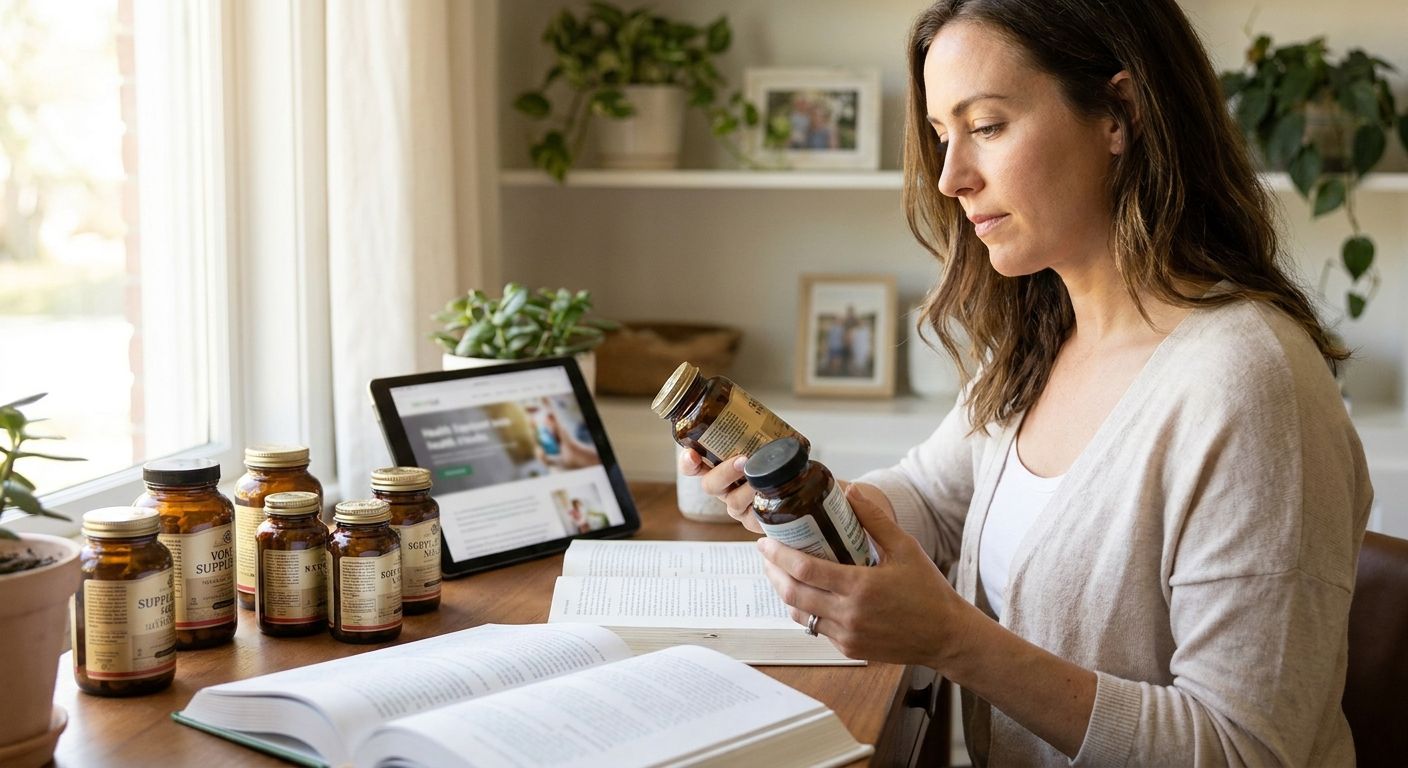
- 10 minutes to actually read an ingredient panel before checkout, not after
The steps
1. Track your top three symptoms for two weeks
This is the step almost everyone skips, and it's the reason so many women end up with three half-used tubs of supplements in a cupboard by mid-2026. Write down what actually bothers you most — hot flushes at night, mood swings before meetings, bloating after meals, joint stiffness in the morning.
Patterns matter more than a single bad day. Two weeks of honest tracking beats any online quiz.
Common mistake: tracking everything vaguely instead of ranking your top three. A supplement can't fix twelve symptoms equally well — it can target three.
2. Match ingredients to those specific symptoms
Once you know your top three, match them to ingredients with a track record. Black cohosh and phytoestrogens are the usual go-to for hot flushes and night sweats. Magnesium and adaptogenic herbs tend to show up in formulas aimed at sleep and mood. Vitamin B6 and evening primrose oil are common in products aimed at PMS-style mood swings during perimenopause.
An all-in-one like Menopause Support is designed to cover the most common cluster — hot flushes, night sweats and mood — in a single daily tablet rather than asking you to stack five separate bottles.
Common mistake: buying a product because it's popular, not because it addresses your actual top three symptoms.
3. Check the dose and the form
A label listing an ingredient tells you nothing about whether it's dosed high enough to do anything. Look for a per-tablet or per-serving amount, not just an ingredient name buried in a long list. Capsules and tablets absorb differently to teas and gummies, and consistency of dose matters more than the delivery format.
One tablet a day, taken at the same time, is easier to stick with than a three-times-daily regimen you'll forget by week two of 2026.
4. Rule out interactions before you start
If you're on HRT, blood pressure medication, or blood thinners, check with a pharmacist before adding a new herbal supplement. This isn't about scaring you off — it's a five-minute conversation that prevents a bad surprise.
Common mistake: assuming "natural" means "no interactions." Plant-based doesn't mean inert.
5. Start one product at a time
Stacking three new supplements in the same week makes it impossible to know what's working. Introduce one product, give it time, and only add a second — like a bloat-specific formula — once you understand what the first one is and isn't doing.


6. Give it 6 to 8 weeks before judging
Herbal ingredients don't work like painkillers. They build up gradually, and most women don't notice a real shift in the first week or two. Mark a date on your calendar 6 to 8 weeks out and reassess honestly against your original symptom tracker, not your memory of how you felt.
Common mistake: quitting after 10 days because "nothing happened yet."
7. Reassess and adjust the ingredient, not just the brand
If nothing's shifted after 8 weeks, the fix usually isn't a different brand of the same ingredient — it's a different ingredient altogether. Go back to step 2 and re-check whether the formula actually targets what you tracked.
8. Build it into an existing habit
Pair your supplement with something you already do daily — morning coffee, brushing your teeth, breakfast. Consistency beats intensity every time with herbal supplements.
Troubleshooting
- No change after 8 weeks — the ingredient mismatch is the most likely cause. Revisit your symptom tracker and switch the active ingredient, not just the brand.
- New bloating or digestive discomfort — this is common during hormonal shifts and often needs a targeted formula like Bloat Relief alongside your menopause support, rather than stopping either product.
- You're on HRT or medication — pause and check with a pharmacist before adding anything new. Don't guess with interactions.
- Too many products, no clarity — simplify back down to one all-in-one formula before adding anything else.
- Sticker shock at premium pricing — a higher price doesn't guarantee a better match for your symptoms. Check the dose per ingredient before assuming premium equals effective.
- Symptoms outside the usual list — joint pain, low libido or brain fog need their own ingredient research; don't expect a hot-flush formula to cover everything.
Tools and resources
- Your two-week symptom tracker (paper or app)
- Menopause Support as a daily all-in-one starting point
- A pharmacist consultation if you're on other medication
- The best menopause supplements for perimenopause symptoms guide if your symptoms are still shifting month to month
What to do next
Once your top three symptoms are locked in and you've picked a starting formula, read the deeper breakdown of natural supplements for menopause relief in South Africa to understand how local sourcing and dosing standards differ from imported brands.
FAQ
What's the best supplement for menopause hot flushes?
Formulas built around black cohosh and phytoestrogens are the most common choice for hot flushes and night sweats. Look for a daily all-in-one tablet rather than a scattered stack of single-ingredient products.
Is it better to take single ingredients or an all-in-one formula?
An all-in-one is easier to stick with and usually enough for most women's top three symptoms. Single ingredients make sense only once you've identified a very specific gap an all-in-one isn't covering.
How much does a menopause supplement cost in South Africa in 2026?
Prices span from budget tablets to premium combination formulas, with an all-in-one daily tablet like Menopause Support priced at ZAR 350 in 2026. Combination sets covering symptoms plus digestive comfort run higher, around ZAR 603.
Can I take a menopause supplement with HRT?
Check with a pharmacist first, since combining herbal ingredients with HRT isn't automatically unsafe but does need a quick review. Plant-based doesn't mean interaction-free.
How long before a menopause supplement works?
Give it 6 to 8 weeks of consistent daily use before judging results. Herbal ingredients build up gradually rather than acting like a fast-relief medication.
Is bloating a normal symptom to treat alongside menopause?
Yes, bloating is common during hormonal shifts and usually responds better to a targeted formula than to a higher dose of a general menopause supplement. Pairing a hot-flush formula with a bloat-specific one is a common combination.
What ingredients should I avoid or watch for?
Watch for vague ingredient lists with no dose per serving listed — that's the biggest red flag. A formula that hides its dosing usually can't back up its claims.
Are plant-based menopause supplements safe for daily use?
Most plant-based formulas are formulated for daily use, but safe doesn't mean interaction-free if you're on other medication. Confirm with a pharmacist if you take HRT or blood thinners.
One last thing
The average age of natural menopause is 51, but perimenopause symptoms — the mood swings, the disrupted sleep, the bloating — often start a full decade earlier. If you're tracking symptoms in your early 40s in 2026 and dismissing them as "just stress," that tracker you started in step one might be more useful than you think.