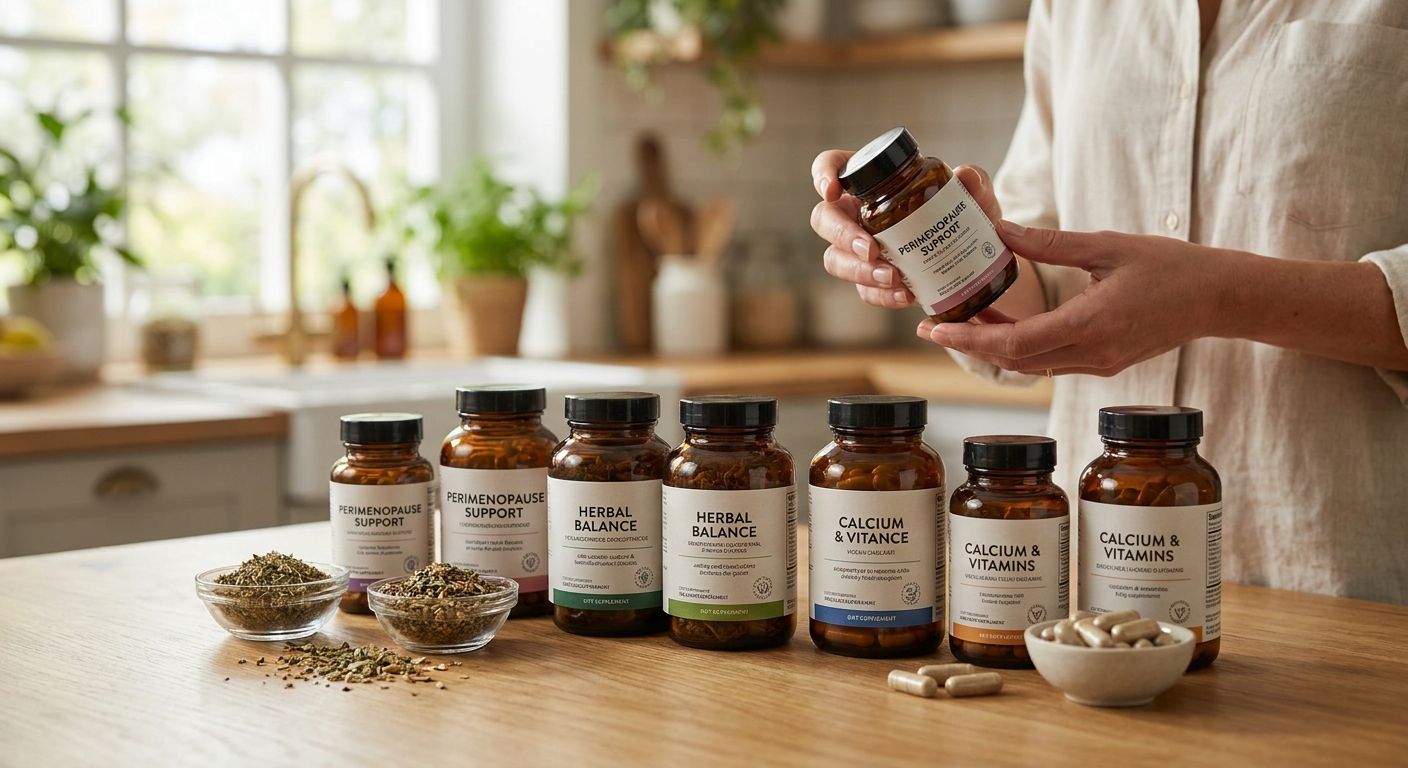
Best Menopause Supplements for Energy in 2026: Ranked
Fatigue that hangs on no matter how much sleep you get is one of the most under-discussed menopause symptoms, and it rarely responds to coffee or an early bedtime. This guide ranks the best menopause supplements for energy by what actually addresses the hormonal and nutritional gaps behind the tiredness, not by hype.
- A B-vitamin and iron combination addresses the two most common nutrient gaps behind menopause fatigue in 2026.
- Bluum's Menopause Support is the low-effort daily pick at ZAR 350 for women who want one tablet, not five bottles.
- Caffeine-heavy 'energy' blends mask fatigue and often worsen hot flushes and sleep — skip them.
- Magnesium at the 320mg RDA supports both sleep quality and muscle fatigue, two drivers of daytime exhaustion.
- Get a ferritin blood test before buying iron supplements blind — depletion and overload both cause fatigue.
Why this matters
Menopause fatigue isn't laziness and it isn't "just stress" — declining oestrogen affects how your body regulates temperature, sleep architecture, and even how efficiently cells convert food into energy. Add in disrupted sleep from night sweats and it's no surprise that energy is one of the top complaints women bring up in the perimenopause years leading into menopause. Choosing the Menopause Support route that targets the actual nutrient and hormonal gaps works better than chasing a caffeine spike that wears off by 2pm.
The supplements that genuinely move the needle on energy are the ones backed by decades of nutritional research, not the ones with the loudest packaging. That's the filter used below.
How this list was ranked
Each category on this list was assessed against three questions: does published nutritional science support its role in energy metabolism, does it address a menopause-specific gap (iron loss from perimenopausal bleeding, magnesium depletion, disrupted sleep), and is the dosing realistic for a daily supplement rather than a clinical mega-dose. Categories that only mask fatigue temporarily, like stimulant blends, are flagged accordingly. This isn't a taste test — it's a filter for what's worth your money in 2026.
The ranked list
1. B-Vitamin Complex — the metabolic engine pick
B6, B12 and folate are direct inputs into the enzymes your cells use to produce ATP, your body's energy currency. Absorption of B12 tends to drop with age as stomach acid production declines, which is exactly the window many women hit during perimenopause and menopause. A daily intake that covers the adult RDA of roughly 2.4mcg of B12 is a sensible baseline rather than an aggressive mega-dose. Buy — this is the foundation layer most energy-focused formulas build on.
2. Iron plus a ferritin check — the one everyone skips
Heavy or irregular bleeding during perimenopause can quietly drain iron stores years before periods actually stop. The RDA drops from 18mg a day premenopause to 8mg once periods end, but that only helps if your stores weren't depleted going in. Supplementing iron without knowing your ferritin level is a coin flip — too little won't touch the fatigue, too much causes its own problems. Hold — get the blood test first, then supplement to the result.
3. Magnesium — the sleep-and-muscle multitasker
Magnesium sits at the intersection of two energy thieves: poor sleep and muscle fatigue. The adult female RDA sits around 320mg a day, and low levels are linked to both restless sleep and the heavy, tired-legs feeling many women describe during menopause. Night sweats already fragment sleep enough without a magnesium gap making it worse. Buy — it's one of the few single nutrients doing double duty here.
4. Adaptogenic herbs — the stress-fatigue bridge
Ashwagandha and rhodiola have a long history of traditional use for supporting the body's response to stress, and cortisol dysregulation during the menopause transition is a documented contributor to daytime exhaustion. They're not a quick fix and results build over weeks, not days. Wait — reasonable to add once the nutrient basics above are covered, not before.
5. All-in-one menopause formula — the low-effort pick
Juggling five separate bottles is its own form of decision fatigue, which is why a formulated daily tablet covering key vitamins and minerals for the menopause season has real appeal. Menopause Support from Bluum falls into this category at ZAR 350, built around the nutrients this list already flags as relevant to energy and hormonal balance. Buy — the simplest way to cover the bases without a supplement shelf.
6. Bloat-focused add-on — the sneaky energy drain
Digestive bloating and discomfort are easy to write off as separate from fatigue, but poor sleep and low-grade daytime discomfort from bloating chip away at energy just as much as a nutrient gap does. Pairing a menopause formula with a Bloat Relief product addresses a symptom that rarely gets connected to tiredness but often should be. Hold — worth adding if bloating is part of your symptom picture, not a universal add-on.
7. Caffeine or guarana "energy" blends — the wildcard to skip
These products spike alertness for an hour or two but do nothing for the underlying hormonal or nutritional cause of menopause fatigue. Worse, stimulants can intensify hot flushes and further disrupt the sleep that's already compromised. Skip — it treats the symptom of the symptom.


Comparison table
| Category | Best for | Key nutrient/herb | Verdict |
|---|---|---|---|
| B-Vitamin Complex | Cellular energy metabolism | B6, B12, folate | Buy |
| Iron + ferritin check | Perimenopausal blood loss | Iron | Hold |
| Magnesium | Sleep and muscle fatigue | Magnesium (320mg RDA) | Buy |
| Adaptogens | Stress-linked exhaustion | Ashwagandha, rhodiola | Wait |
| All-in-one formula | Low-effort daily coverage | Multi-vitamin blend | Buy |
| Bloat-focused add-on | Sleep and comfort-linked fatigue | Digestive-support blend | Hold |
| Caffeine/guarana blends | Short-term alertness only | Stimulants | Skip |
According to Bluum's perimenopause symptoms guide, fatigue rarely shows up alone — it tends to cluster with sleep disruption, mood changes and joint stiffness, which is why single-symptom fixes underperform.
Where to buy
- Buy from South African retailers or brand sites with local stock rather than unverified imports — labeling accuracy and dosage disclosure matter more than a lower price tag.
- Check that iron, B12 and magnesium doses are printed clearly on the label, not buried in a proprietary blend percentage.
- Avoid bundles that quietly add stimulants to an "energy" formula without listing them upfront — read the full ingredient panel, not just the front of the box.
FAQ
What are the best menopause supplements for energy in 2026?
A B-vitamin complex, magnesium, and an all-in-one formula like Bluum's Menopause Support cover the main nutritional gaps behind menopause fatigue in 2026. Iron should only be added after a ferritin blood test confirms you need it.
Is iron good for menopause fatigue?
Iron helps if your ferritin is low, which is common after years of heavy perimenopausal bleeding, but supplementing without testing can cause overload. Get a blood test before adding an iron supplement.
How much magnesium should a menopausal woman take daily?
The RDA for adult women sits around 320mg a day, and magnesium supports both sleep quality and muscle fatigue. Poor sleep from night sweats makes this nutrient more important, not less, during menopause.
Do energy drinks help with menopause fatigue?
No — caffeine and guarana blends mask tiredness for an hour or two without addressing the hormonal or nutritional cause. They can also worsen hot flushes and further disrupt sleep.
Are adaptogens like ashwagandha worth it for menopause energy?
Adaptogens support the body's stress response and can help with cortisol-linked exhaustion, but results build over weeks. They work best as an addition once basic nutrient gaps like B12 and magnesium are covered.
How much does a menopause energy supplement cost in South Africa?
An all-in-one daily formula like Menopause Support runs around ZAR 350, while a combined formula addressing multiple symptoms like the Menopause Comfort Duo costs around ZAR 603. Prices vary by retailer and bundle size.
Can bloating cause menopause fatigue?
Indirectly, yes — bloating disrupts sleep and adds daytime discomfort that compounds tiredness. Pairing a menopause formula with a bloat-focused product addresses a symptom often mistaken as unrelated to energy.
Should I get tested before taking menopause supplements for energy?
A ferritin test is worth doing before iron supplementation specifically, since both deficiency and excess iron cause fatigue. B-vitamins and magnesium carry lower risk and don't require testing first.
One last thing
The fatigue that gets blamed on menopause is often a stack of three or four smaller things — a magnesium gap, disrupted sleep, low iron, and bloating — rather than one dramatic cause, which is exactly why single-ingredient fixes underdeliver and combination formulas tend to outperform them in 2026.